Introduction
At Uudaan Montessori Preschool, we recognize that sensory play is a vital aspect of early childhood development. Sensory activities stimulate a child’s senses—sight, touch, sound, taste, and smell—and play a crucial role in promoting cognitive growth. These activities not only enhance problem-solving abilities but also foster language skills, emotional development, and motor skills. Sensory play is an essential part of the Montessori curriculum, providing children with hands-on learning experiences that encourage them to explore and understand the world around them.
What is Sensory Play?
Sensory play refers to any activity that stimulates a child’s senses. In a Montessori setting, these activities help children explore textures, listen to different sounds, and visualize shapes and colors, allowing them to process information in more profound ways. Sensory play helps children understand cause and effect, difference and similarity, and provides a foundation for critical thinking skills.
The Benefits of Sensory Play
1. Enhancing Cognitive Skills
Sensory play is key in developing problem-solving abilities. By engaging in activities that stimulate the senses, children build their critical thinking and cognitive skills. Activities like sorting, categorizing, and matching objects based on texture, size, or color help children understand classification—an essential skill for math and science later on.
At Uudaan Montessori Preschool, we use sensory activities such as sensory bins with sand, rice, or water to promote cognitive development. These hands-on activities encourage children to experiment, think, and make decisions on their own.
2. Building Fine and Gross Motor Skills
Sensory play helps enhance fine motor skills needed for everyday tasks like writing, buttoning shirts, and tying shoelaces. Activities such as pouring, scooping, and manipulating objects improve hand-eye coordination and strengthen muscles.
Moreover, activities like dancing, jumping in puddles, or balancing on different surfaces help develop gross motor skills. These activities allow children to control and move their bodies effectively.
3. Fostering Language Development
Sensory play helps expand a child’s vocabulary and communication skills. When children describe what they see, feel, or hear, they are practicing language skills. At Uudaan Montessori Preschool, teachers encourage children to talk about their sensory experiences, which aids language acquisition. Whether they are describing the texture of sand or the sound of rain, children learn new words and how to express themselves confidently.
4. Emotional and Social Development
Sensory play also has a positive effect on emotional development. By engaging with various textures and objects, children become more aware of their emotions and how to express them. For instance, activities like playing with soft fabrics or water play have a calming effect, allowing children to self-regulate and manage their emotions.
Sensory play also encourages social interaction. Whether working together in a sensory bin or participating in group activities, children learn valuable social skills such as taking turns, sharing, and collaborating.
5. Building Independence and Confidence
Montessori education emphasizes independence, and sensory play supports this principle. When children have the freedom to explore sensory materials independently, they build self-confidence. Whether it’s sorting colored beads, creating art with clay, or organizing materials, sensory activities empower children to solve problems on their own and take pride in their accomplishments.
How Uudaan Montessori Preschool Incorporates Sensory Play
At Uudaan Montessori Preschool, we understand the importance of sensory play and provide a variety of activities that cater to different senses. Here’s how we incorporate sensory play into our daily routine:
1. Montessori Sensory Bins
We use sensory bins filled with materials like rice, lentils, and sand to help children explore textures and shapes. These bins encourage children to engage in activities such as sorting, measuring, and counting, promoting cognitive and fine motor development.
2. Sound Exploration
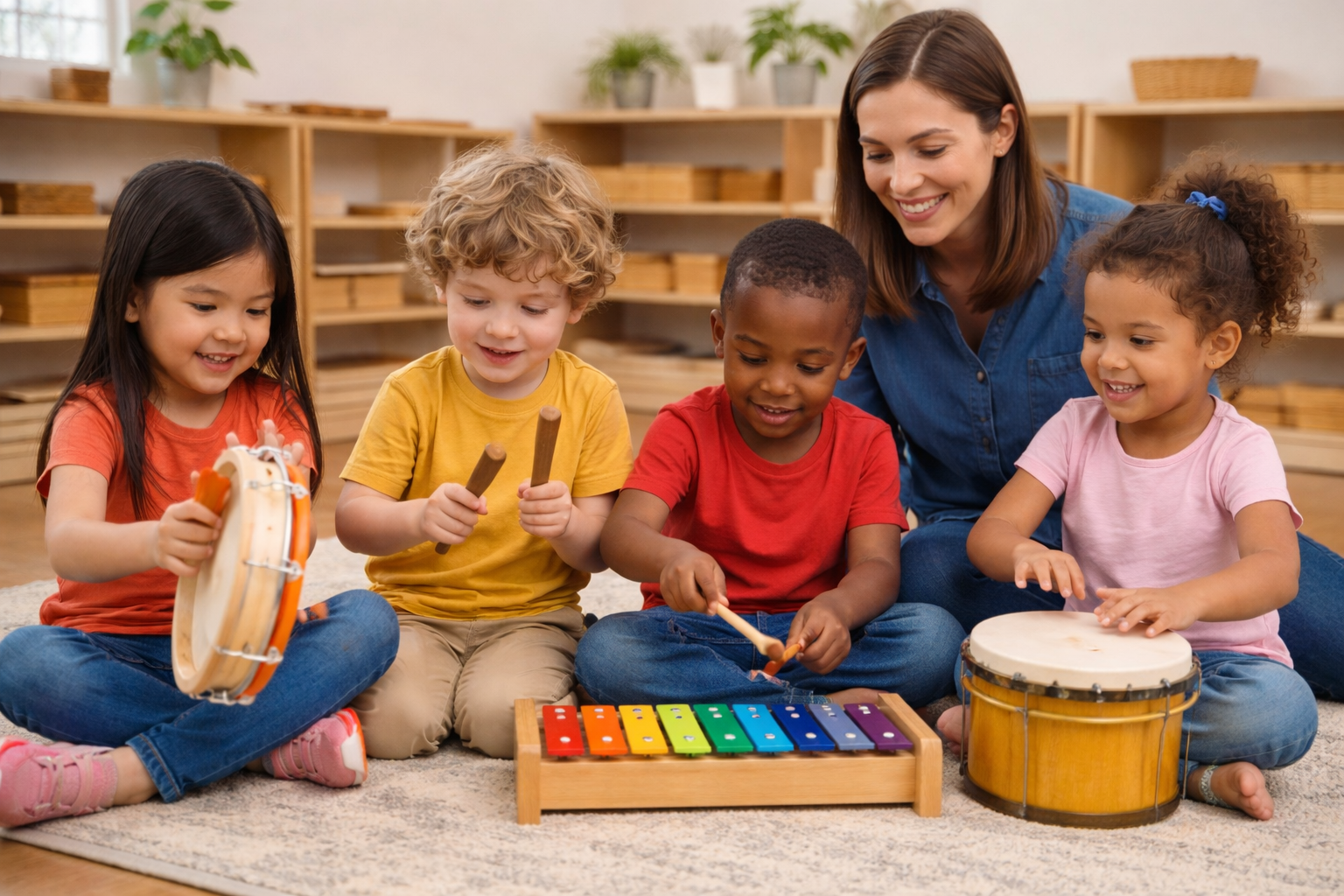
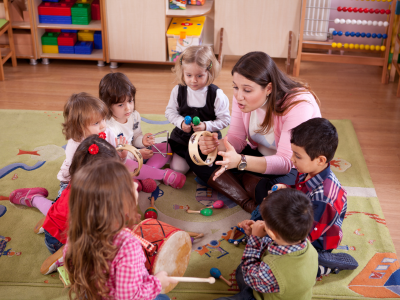
We encourage children to engage in activities that involve sound exploration, such as playing with musical instruments, listening to nature sounds, and identifying noises. This enhances auditory discrimination and helps develop a love for music and rhythm.
3. Tactile Art and Craft
Art and craft activities such as finger painting, clay modeling, and collage making allow children to engage with different materials and textures. These activities develop their creativity while improving fine motor skills.
4. Outdoor Sensory Play
Outdoor activities such as gardening, water play, and nature walks provide rich sensory experiences that connect children to the natural world. These activities encourage children to explore textures, colors, and shapes found in nature, enhancing their sensory awareness.
5. Storytelling and Sensory Imagery
During storytelling sessions, we encourage children to engage their senses by describing what they hear, see, or smell. This promotes imaginative thinking and helps children relate better to the stories, fostering empathy and language skills.
Conclusion
Sensory play is a cornerstone of Montessori education, offering numerous benefits for cognitive development, motor skills, and emotional well-being. At Uudaan Montessori Preschool, we incorporate sensory play in a variety of forms to ensure children engage with their environment in meaningful ways. Through sensory activities, children not only enhance their problem-solving and language skills but also build confidence, independence, and social connections.
By embracing the power of sensory play, we ensure that children at Uudaan Montessori Preschool are well-prepared for a lifetime of learning and exploration.