Montessori education emphasizes a holistic approach to learning, fostering creativity, independence, and a deep connection with the world around us. At Uudaan Montessori Preschool, we believe that the exploration of art and nature plays a vital role in nurturing creativity in young children. By providing opportunities for open-ended creativity through various artistic expressions and experiences in nature, we allow children to develop problem-solving skills, self-expression, and a love for learning.
1. The Montessori Approach to Creativity
Montessori education encourages children to engage in creative activities that support their cognitive, social, and emotional development. Rather than relying on structured or teacher-directed tasks, Montessori allows children to explore their own interests and develop their creative abilities in an open and supportive environment. Creativity is not limited to a particular subject or activity, but rather it is woven into the entire Montessori curriculum, allowing children to express themselves freely through art, music, movement, and nature exploration.
At Uudaan Montessori Preschool, we believe that creativity is not just about making something beautiful—it’s about fostering an environment where children feel safe to explore, make mistakes, and learn through trial and error. Through this process, children develop their critical thinking skills, confidence, and imagination, which are essential for lifelong learning.
2. Art as a Medium of Creative Expression
Art is an essential aspect of Montessori education, and it offers a powerful tool for creative expression. In Montessori classrooms, children are encouraged to explore different materials and mediums such as paint, clay, fabric, and natural objects. These materials are presented in a way that allows children to experiment, manipulate, and create without rigid instructions, promoting self-expression and independent thinking.
The Montessori method recognizes the importance of process-oriented art rather than focusing solely on the end result. This approach encourages children to explore their own ideas and engage in the creative process, without the pressure of producing a perfect or predefined product. This type of art fosters imagination and encourages children to express themselves authentically, which can be incredibly empowering for young learners.
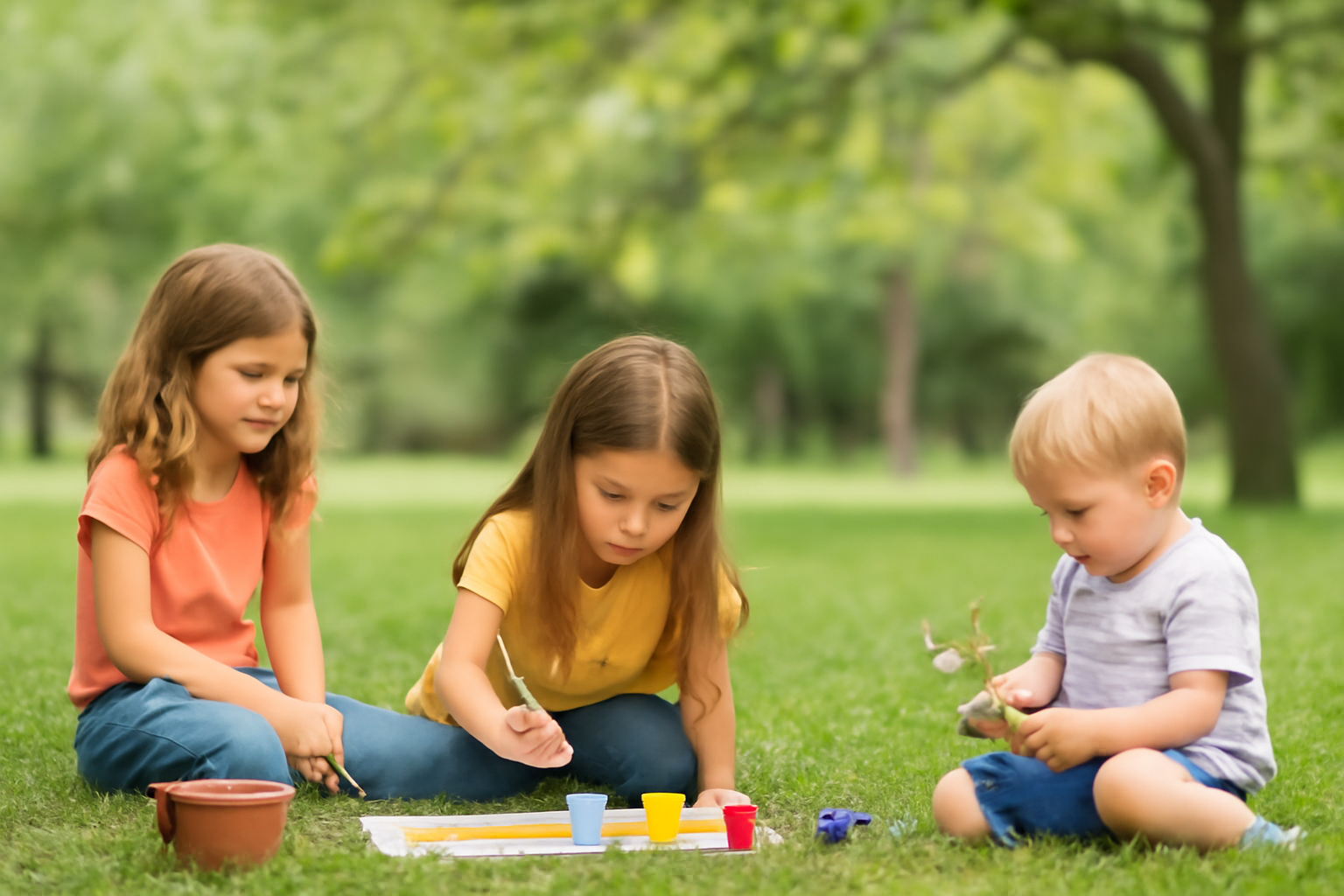
At Uudaan Montessori Preschool, we offer various art activities that allow children to explore different textures, colors, and shapes. Whether it’s painting a picture, molding clay, or creating a nature collage, each activity invites children to express their thoughts and emotions in unique ways. This freedom to experiment encourages a growth mindset and helps children develop confidence in their creative abilities.
3. The Role of Nature in Creativity
Nature is one of the most inspiring and creative forces available to young children. Montessori classrooms emphasize the use of natural materials and outdoor spaces as a way to engage children’s senses and spark their imaginations. The natural world is full of textures, colors, sounds, and patterns that children can explore and use as inspiration for creative activities.
At Uudaan Montessori Preschool, nature plays a crucial role in fostering creativity. Whether it’s collecting leaves, rocks, and flowers for a project or simply exploring the garden, outdoor play and exploration help children connect with the world around them. By spending time outdoors, children learn to observe the natural world, think critically about their surroundings, and draw inspiration from what they see, hear, and feel.
For example, a simple walk in the garden can turn into an opportunity to explore different textures, colors, and shapes in the environment. Children can pick up leaves to create a collage, examine flowers up close, or even observe the way shadows change as the day progresses. These activities not only promote creativity but also help children develop a deeper connection with nature, fostering environmental awareness and a sense of responsibility toward the natural world.
4. Encouraging Creativity Through Sensory Experiences
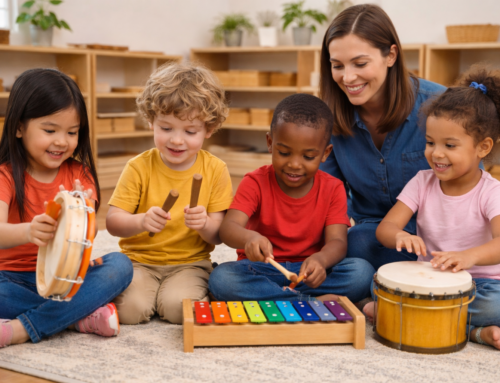
In Montessori, creativity is also nurtured through sensory experiences that stimulate the senses and encourage imaginative play. Children are given opportunities to explore materials that engage their sense of touch, sight, smell, and hearing, such as textured fabrics, musical instruments, and fragrant flowers. These sensory experiences help children develop a rich vocabulary, express their feelings, and interpret the world through their senses.
At Uudaan Montessori Preschool, we believe that the more sensory-rich an experience, the more likely it is to stimulate creative thinking. Whether it’s running fingers through sand, listening to the rustling of leaves, or feeling the coolness of water, these sensory experiences serve as gateways to creative expression. By offering a variety of sensory activities, we help children develop both their creative abilities and their understanding of the world around them.
5. Fostering Emotional Expression Through Art and Nature
Art and nature are also powerful tools for emotional expression. Through creative activities, children can explore and express their feelings in a healthy and constructive way. Whether it’s painting a picture that represents their emotions or creating a nature-inspired sculpture, these activities allow children to process their thoughts and experiences.
At Uudaan Montessori Preschool, we encourage children to use art and nature as outlets for emotional expression, helping them understand and manage their emotions. These creative processes foster emotional intelligence, empathy, and self-awareness, which are essential skills for personal development.
Conclusion
At Uudaan Montessori Preschool, we understand that creativity is not a skill to be developed later in life but an integral part of early childhood development. Through the Montessori approach, children are given the freedom to express themselves creatively through art and nature, allowing them to build confidence, explore their emotions, and develop essential life skills. By nurturing creativity in these natural and expressive ways, we help children develop into confident, independent thinkers who will continue to explore, learn, and create throughout their lives.