In an ever-changing world, the importance of preparing young children for life beyond school cannot be overstated. Montessori education is known for fostering independence, critical thinking, and problem-solving skills, which are essential in today’s rapidly evolving society. At Uudaan Montessori Preschool, we are committed to equipping our students not just with academic knowledge but with the life skills that will help them succeed in the real world.
Let’s explore how Montessori education nurtures these essential skills and prepares children to face challenges with confidence, resilience, and creativity.
1. Independence and Self-Confidence
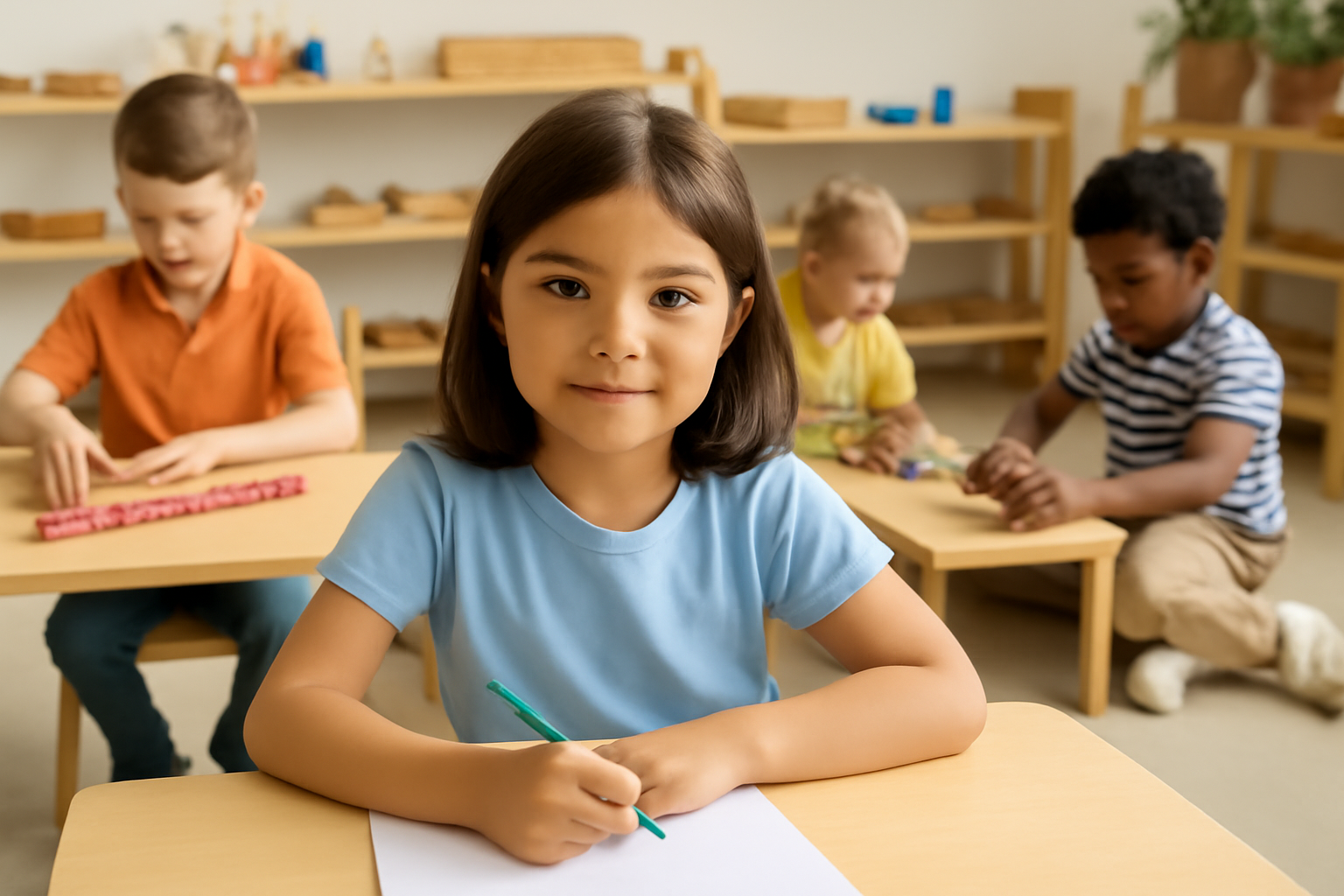
One of the core principles of Montessori education is independence. Children are given the freedom to make choices, work at their own pace, and take responsibility for their actions. This autonomy helps them develop a strong sense of self-confidence and self-reliance—qualities that are crucial for success in adulthood.
At Uudaan Montessori Preschool, children are encouraged to:
-
Choose their activities from a range of options.
-
Complete tasks without constant adult intervention.
-
Tidy up after themselves, reinforcing personal responsibility.
As children take on tasks independently, they gain the confidence to tackle challenges without hesitation, a vital skill when facing the demands of the real world.
2. Critical Thinking and Problem-Solving Skills
The Montessori approach places a strong emphasis on critical thinking and problem-solving. Rather than being given direct answers, children are encouraged to explore, experiment, and think for themselves. This inquiry-based learning fosters curiosity and a natural desire to seek solutions, preparing children for complex situations they may encounter in later life.
Children at Uudaan Montessori Preschool engage in:
-
Hands-on activities that require logical reasoning and creative problem-solving.
-
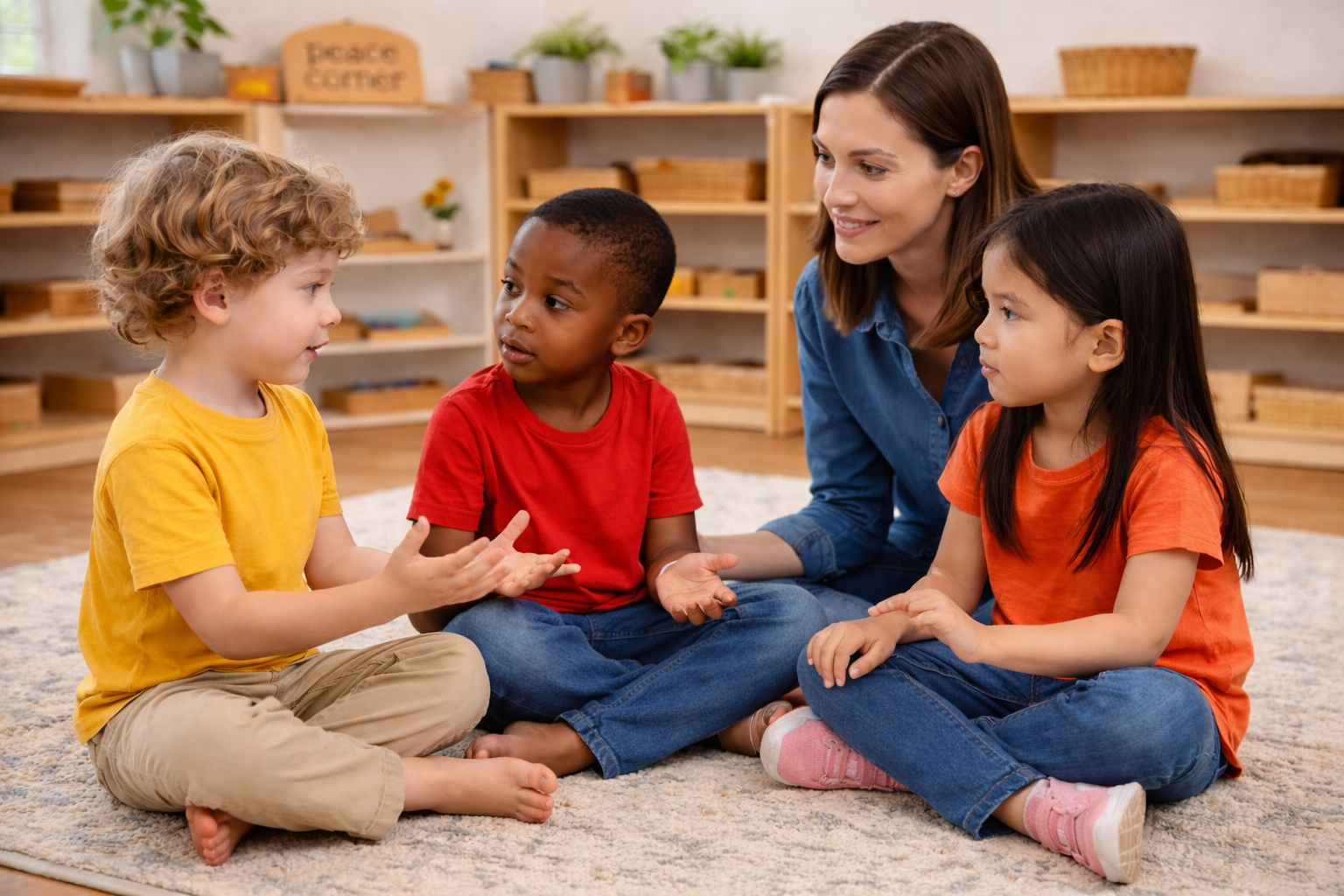
Group discussions that promote collaboration and idea-sharing.
-
Opportunities to reflect on their actions and outcomes.
These activities not only cultivate critical thinking skills but also help children develop the ability to adapt and find solutions in the face of challenges—skills that are indispensable in the real world.
3. Practical Life Skills
Montessori education is uniquely designed to integrate practical life skills into everyday learning. From early on, children are introduced to activities that mimic real-life tasks, such as cleaning, cooking, or managing simple finances. These activities prepare children for adulthood by teaching them the skills and routines that will help them function independently in society.
At Uudaan Montessori Preschool, children:
-
Learn basic life skills like pouring, buttoning, and tying shoelaces.
-
Practice using tools and equipment safely.
-
Develop skills in managing personal hygiene and organizing their space.
These practical skills give children a sense of accomplishment and help them become capable, independent individuals who can handle day-to-day responsibilities with ease.
4. Collaboration and Communication
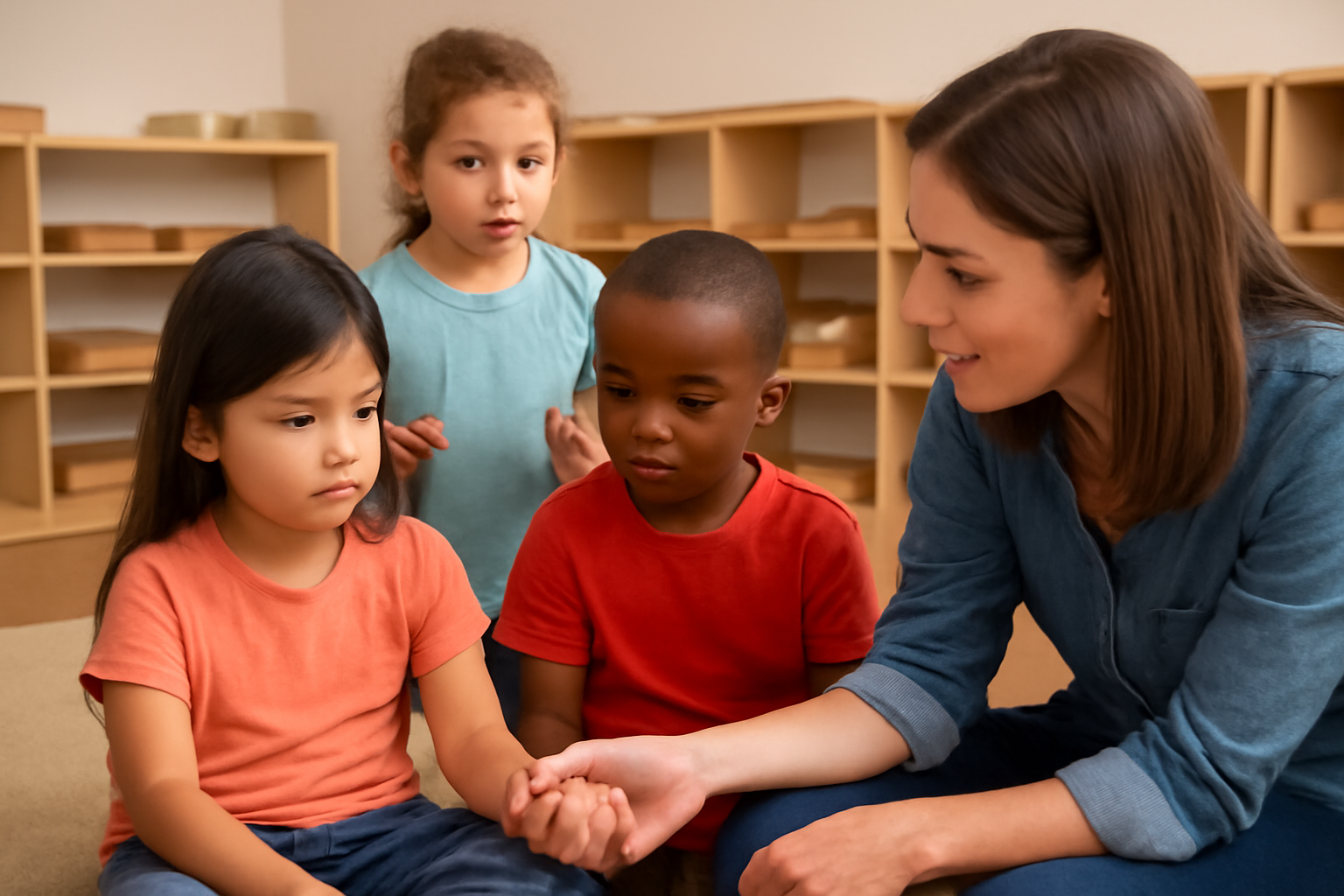
While independence is emphasized, Montessori education also teaches the importance of working together as a community. In a Montessori classroom, children of different ages interact with one another, share ideas, and work collaboratively to solve problems. These social interactions foster important life skills such as communication, cooperation, and teamwork.
At Uudaan Montessori Preschool, children:
-
Participate in group activities and collaborative projects.
-
Learn how to express their thoughts and listen to others.
-
Develop empathy and respect for diverse perspectives.
These skills are crucial in the real world, where collaboration and effective communication are key in both personal and professional settings.
5. Adaptability and Resilience
The Montessori environment is dynamic, encouraging children to adapt to new situations and challenges regularly. Whether it’s taking on a new activity or overcoming obstacles, Montessori education teaches children how to handle setbacks and bounce back from failure. This focus on resilience equips children with the mindset needed to face the ups and downs of life with a positive attitude.
At Uudaan Montessori Preschool, children:
-
Learn to embrace challenges and setbacks as opportunities for growth.
-
Are given time to reflect on their actions and emotions.
-
Develop coping mechanisms to manage frustration and anxiety.
These experiences build emotional resilience, helping children maintain a balanced outlook as they encounter life’s challenges in the future.
6. Global Awareness and Cultural Sensitivity
In today’s interconnected world, it’s essential for children to be globally aware and culturally sensitive. Montessori education fosters an appreciation for diversity through exposure to a range of cultures, languages, and traditions. By encouraging curiosity and respect for different perspectives, Montessori classrooms help children develop into open-minded and empathetic individuals.
At Uudaan Montessori Preschool, children:
-
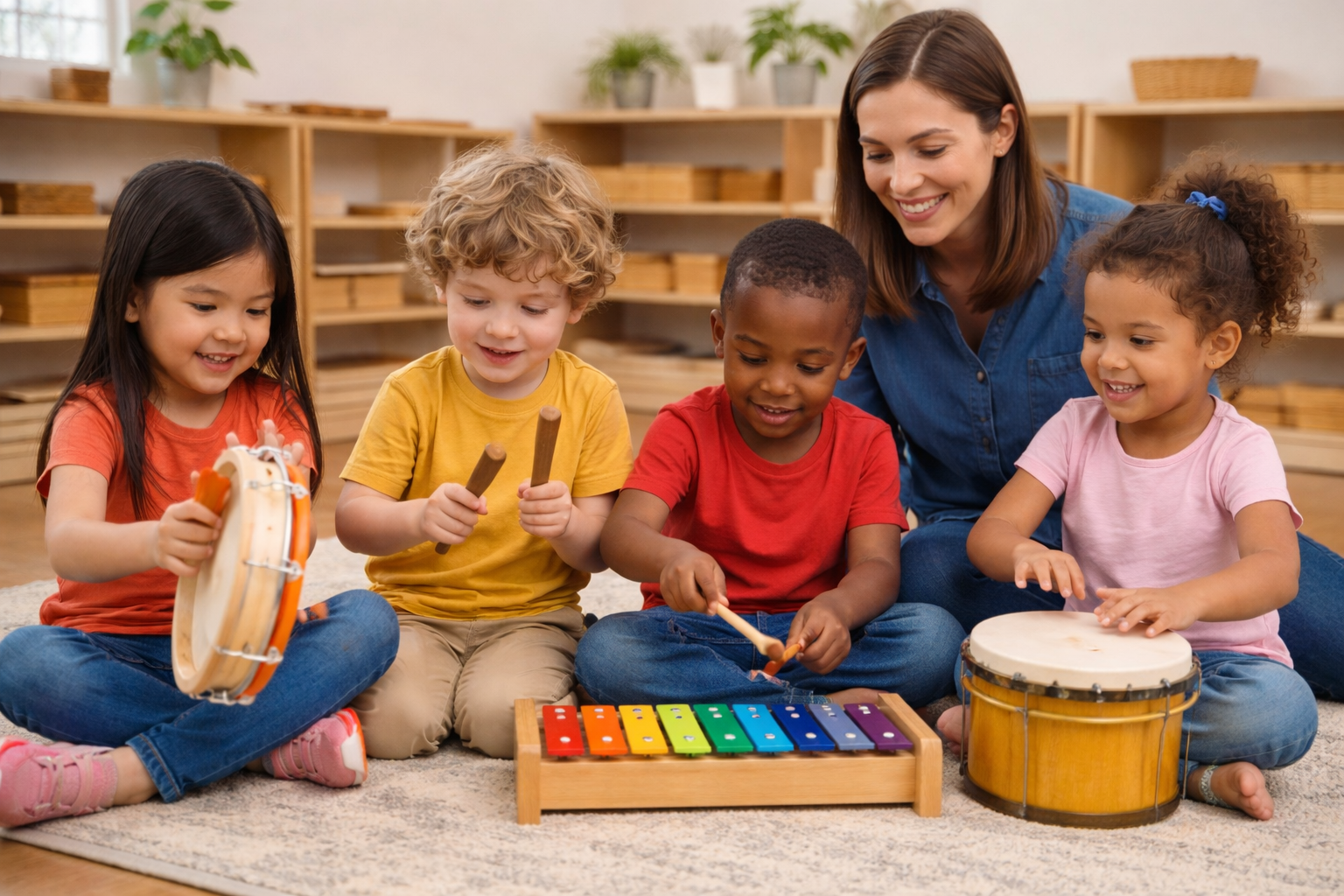
Explore world cultures through art, music, and storytelling.
-
Learn about different traditions, languages, and customs.
-
Participate in cultural events that celebrate diversity.
These experiences teach children to value diversity and promote inclusivity, skills that are essential in today’s multicultural world.
7. Sustainability and Environmental Awareness
Montessori education also emphasizes environmental responsibility. Children are taught to care for their surroundings, understand the impact of their actions on the planet, and appreciate the natural world. This fosters a deep sense of environmental stewardship that encourages responsible decision-making and sustainable living.
At Uudaan Montessori Preschool, children:
-
Participate in gardening and environmental projects.
-
Learn about the importance of recycling and conserving resources.
-
Are encouraged to take care of the classroom environment and the world around them.
These lessons help children develop a strong connection with nature and a sense of responsibility towards the planet.
8. Lifelong Love for Learning
Perhaps the most important aspect of Montessori education is that it instills a lifelong love of learning. The Montessori method encourages children to be curious, self-motivated learners who take ownership of their education. This approach creates a mindset that values learning as a continuous process, preparing children to be adaptable, resourceful, and engaged throughout their lives.
At Uudaan Montessori Preschool, children:
-
Are encouraged to explore topics of interest through self-directed projects.
-
Develop a passion for learning through engaging, hands-on experiences.
-
Learn to ask questions, seek answers, and approach problems with curiosity.
These experiences lay the foundation for a lifetime of personal growth and a desire to learn continuously in the real world.
Conclusion
Montessori education offers much more than just academic knowledge—it prepares children for the real world by developing critical life skills that will serve them for years to come. At Uudaan Montessori Preschool, we are committed to fostering independence, resilience, critical thinking, and global awareness in every child. By providing children with the tools to navigate both their academic and personal lives, Montessori education helps shape well-rounded individuals ready to succeed in the world.