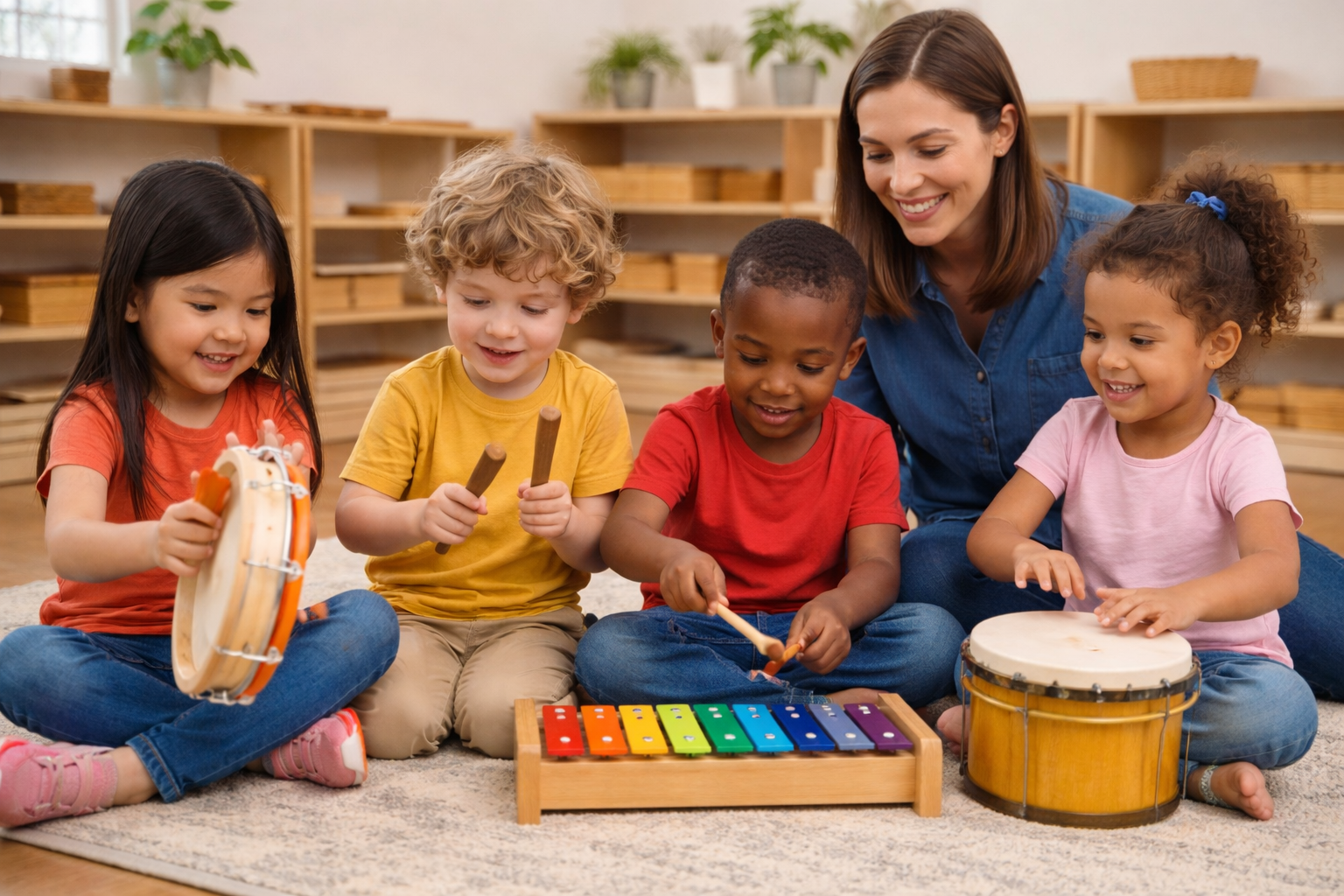
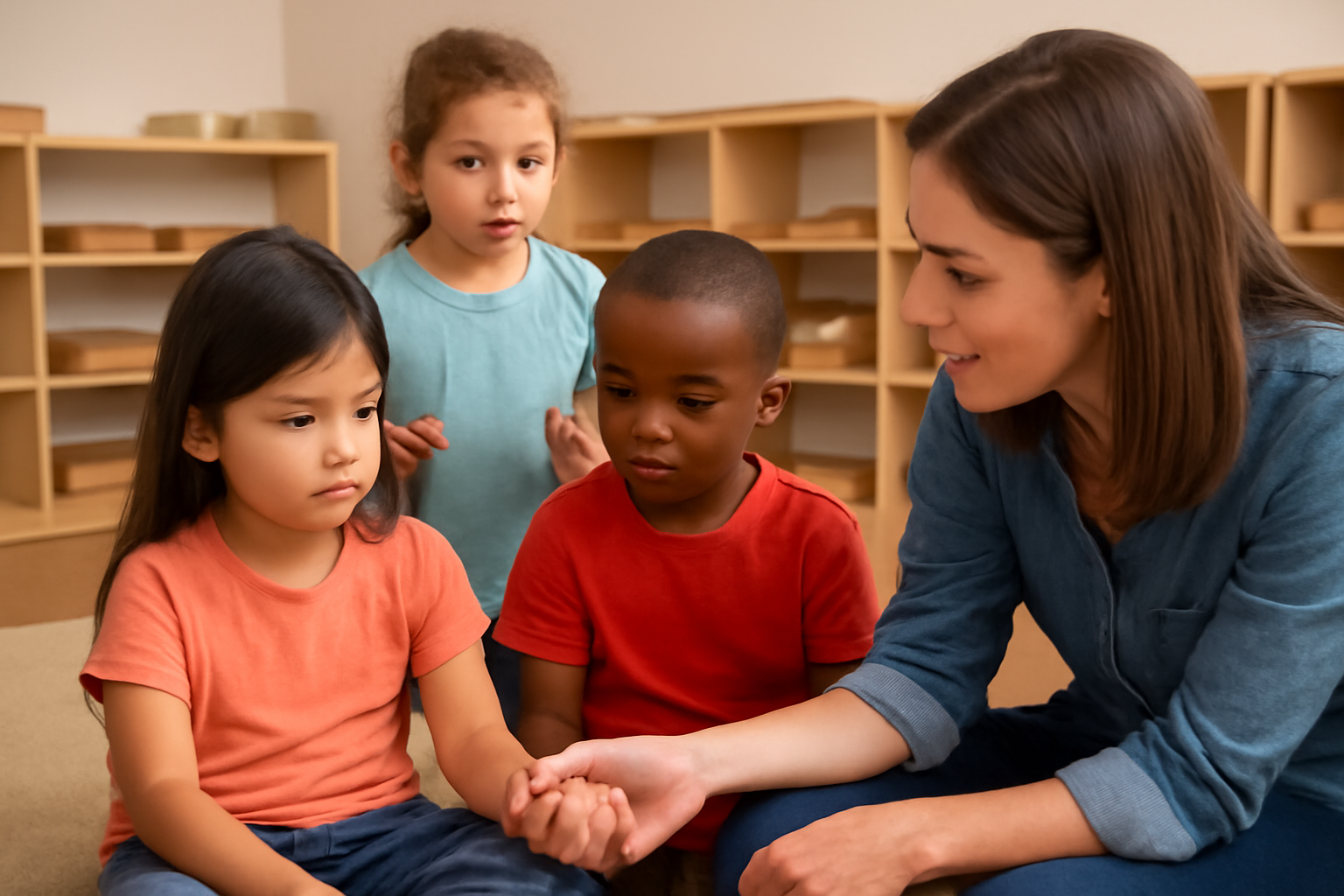
In today’s fast-paced world, children are often bombarded with structured activities, schedules, and learning programs. While these have their benefits, the importance of free play cannot be overstated. At Uudaan Montessori Preschool, we believe that children thrive when given the freedom to play without interference. Our approach encourages self-directed exploration, nurturing creativity, problem-solving skills, and emotional resilience.
What is Free Play?
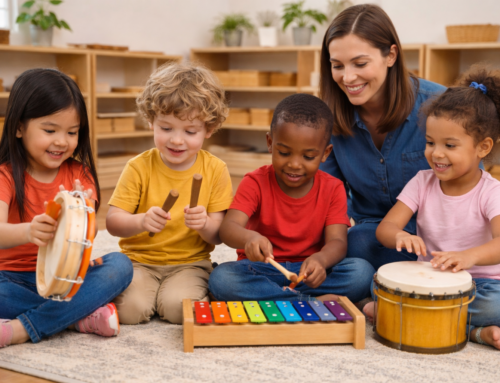
Free play is unstructured, voluntary, and led by the child. Unlike structured activities, where adults dictate rules, free play allows children to explore their imagination, express their creativity, and develop independence. It involves activities such as running, building with blocks, role-playing, drawing, or simply observing their surroundings. Free play is a crucial component of childhood development, supporting cognitive, social, and emotional growth.
Why is Free Play Important?
1. Encourages Creativity and Imagination
When children engage in free play, they are not bound by instructions. This freedom allows them to invent games, create new scenarios, and express their thoughts without limitations. Imagination flourishes when there are no predefined rules, leading to innovative thinking and problem-solving skills.
2. Develops Independence and Decision-Making Skills
At Montessori Preschool in Thane, we emphasize independence in learning. Free play empowers children to make their own choices, teaching them responsibility and self-reliance. They decide how to spend their time, which toys to use, and how to interact with their environment. This autonomy builds confidence and self-esteem.
3. Enhances Social and Emotional Skills
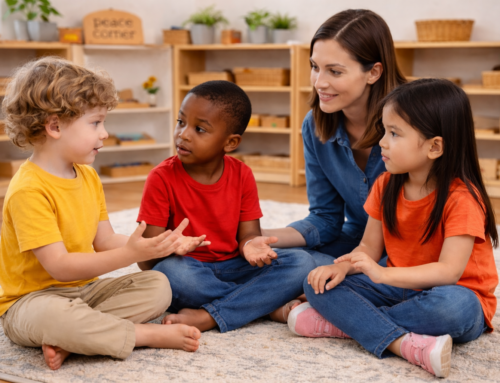
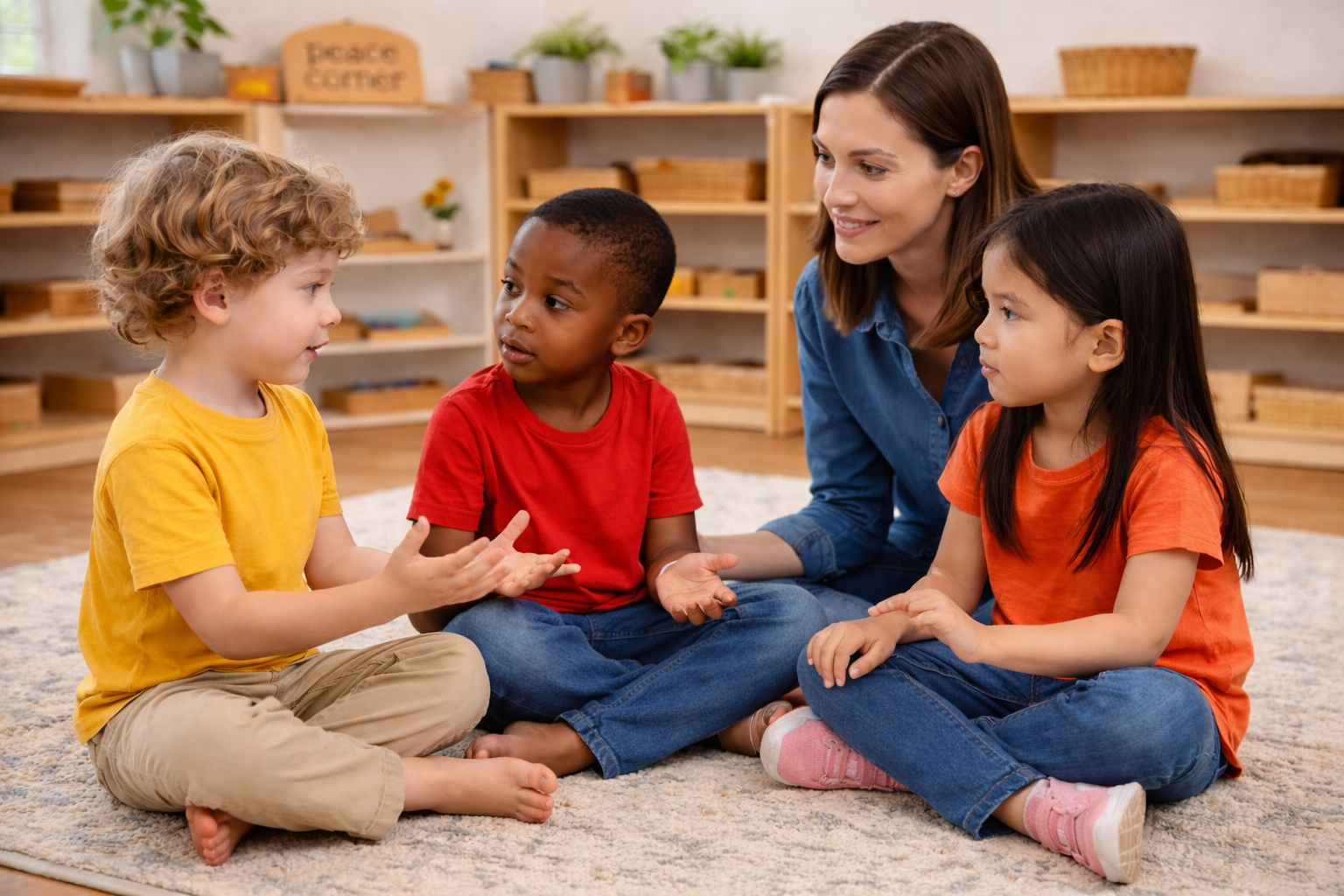
Through free play, children learn valuable social skills such as negotiation, cooperation, and empathy. Playing in groups helps them understand the perspectives of others, resolve conflicts, and build meaningful relationships. Emotional regulation also improves, as children navigate frustration, joy, and problem-solving on their own.
4. Supports Physical and Cognitive Development
Physical activities during free play, such as running, jumping, and climbing, enhance motor skills, coordination, and strength. Cognitive skills are also sharpened when children create their own games, solve puzzles, or engage in storytelling. Montessori Preschool in Thane integrates free play into daily routines to promote holistic development.
The Myth of Idleness: It’s Okay to Sit Idle
In a world that values productivity, many parents worry when they see their child sitting idle. However, idleness is not a sign of laziness—it is an essential part of growth. When children appear to be doing nothing, their brains are actively processing information, reflecting on experiences, and formulating ideas. This quiet observation time is crucial for creativity and emotional development. At Uudaan Montessori Preschool, we encourage children to embrace moments of stillness as an important aspect of free play.
No Structure Required: Learning Through Play
Many parents and educators believe that structured play is essential for learning. However, children naturally learn through free play, without needing formal instructions. They experiment, take risks, and develop resilience. A child stacking blocks may not realize they are learning physics, but they are discovering balance, gravity, and spatial awareness. Similarly, role-playing scenarios teach communication, storytelling, and social interaction.
How to Encourage Free Play at Home
- Provide Open-Ended Toys
Toys that do not have a specific purpose, such as building blocks, clay, and art supplies, foster creativity. Avoid toys with predefined functions or strict rules.
- Limit Screen Time
Excessive screen time can hinder creativity. Encourage outdoor play, storytelling, and hands-on activities to stimulate imagination.
- Allow Unstructured Time
Avoid overscheduling your child’s day with activities and classes. Provide ample free time so that they can choose their own activities.
- Embrace Mess and Exploration
Creativity often comes with a little mess. Let your child paint freely, build forts with cushions, and explore without restrictions.
- Join in Play Without Leading
If you engage in your child’s play, let them take the lead. Follow their rules and ideas instead of directing them.
Let Children Be Children
At Montessori Preschool in Thane, we firmly believe that free play is the foundation of childhood. It nurtures creativity, independence, and emotional well-being. When children play freely, they develop essential life skills without pressure. So, the next time your child plays without a structured plan or sits quietly lost in thought, remember—they are learning, growing, and preparing for the future in the most natural way possible. Contact us to learn more about our approach to early childhood education.